Expansion Joints

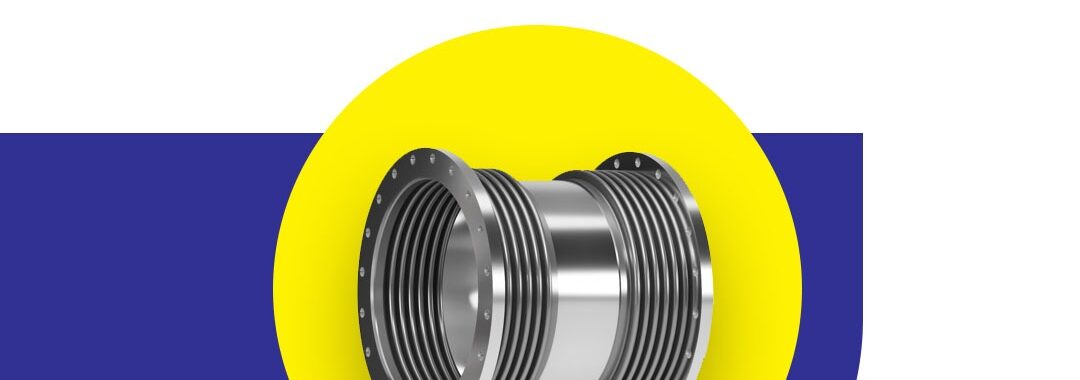
Expansion Joints Designed for Marine Use

Expansion joints are essential for boat owners, commercial operators, and marine repair businesses operating in Greece. They provide critical flexibility in piping systems, hulls, and structural elements, absorbing stress from temperature fluctuations, engine vibrations, and wave movement. In our experience, high-quality expansion joints prevent structural damage and reduce maintenance costs while extending the life of critical marine systems. Boats navigating Greek waters face unique challenges, including high salinity, intense sun exposure, and fluctuating temperatures, which can accelerate wear and corrosion. Choosing the right expansion joint ensures operational reliability, protects your vessel, and maintains safety during both commercial and leisure marine activities.

Understanding the Role of Expansion Joints in Boats

Expansion joints allow controlled movement in hulls, piping systems, and structural components, preventing cracks, leaks, and premature material fatigue. In marine environments, constant motion from waves, engine vibration, and thermal expansion can compromise rigid connections if expansion joints are not properly installed. From our experience working with fleets in Greece, vessels equipped with quality expansion joints experience fewer leaks, reduced corrosion issues, and lower maintenance costs. The right joint also supports long-term structural integrity by absorbing stress without transferring it to adjacent components, a benefit especially important for boats operating in the salt-rich and sun-exposed conditions of the Mediterranean.

Choosing the Right Expansion Joint for Greek Waters

Selecting an expansion joint for marine use in Greece requires attention to both material and design. Stainless steel joints provide superior corrosion resistance, while reinforced rubber or flexible composite joints are ideal for applications requiring vibration absorption or flexibility. Factors such as operating pressure, temperature range, movement allowance, and chemical exposure should all influence the choice. In our experience, mismatched or low-quality joints often fail prematurely, leading to costly repairs and downtime. A carefully chosen expansion joint balances durability, flexibility, and resistance to environmental stress, ensuring smooth operation for piping systems, exhaust channels, and structural components aboard vessels navigating Greek waters.

Installation Best Practices for Marine Expansion Joints

Proper installation is critical to the performance and longevity of expansion joints. Misalignment or inadequate support can create stress points that lead to leaks, cracking, or early failure. We’ve seen installations succeed when boats are prepared carefully: pipes and structural components must be precisely aligned, joints must allow for full movement without obstruction, and all fasteners should be corrosion-resistant. Regular inspection during installation ensures that no part of the joint is under strain. In our experience, vessels in Greece that follow these installation best practices maintain peak performance even under challenging marine conditions, preventing emergency repairs and protecting both crew and equipment.

Maintenance Tips for Marine Expansion Joints

Routine maintenance is essential for ensuring the longevity and reliability of expansion joints, particularly in saltwater environments like those surrounding Greece. Regular inspections help identify early signs of wear, cracks, or corrosion before they compromise the system. Lubricating moving or flexible components with marine-grade oils reduces friction and prevents deterioration. Replacing worn gaskets, seals, and fasteners promptly prevents minor issues from becoming major failures. In our experience, vessels that maintain a structured inspection schedule experience fewer operational disruptions and lower long-term repair costs. Keeping joints clean from salt deposits, debris, and marine growth also preserves their integrity and ensures continuous smooth operation.

Conclusion

For boat owners, commercial operators, and marine repair businesses navigating Greek waters, selecting and maintaining the right expansion joints is critical for safety, operational efficiency, and longevity. In our experience, corrosion-resistant, flexible, and durable expansion joints minimize downtime, reduce repair costs, and maintain structural integrity across all vessel systems. At [Your Brand], we provide marine operators with tested, reliable solutions specifically suited for Greece’s maritime conditions. By combining practical experience with high-quality products, we help vessels operate smoothly and safely, reinforcing our commitment to trusted, expert marine maintenance solutions.

FAQs

Q: Can expansion joints be used for all types of boats?
 A: Yes. Marine-grade expansion joints are suitable for leisure boats, commercial vessels, and repair operations, provided they are sized and installed correctly for each application.

Q: How often should expansion joints be inspected?
 A: Vessels in Greece should be inspected every 3–6 months. Focus on flexible sections, fasteners, and seals that are exposed to saltwater and UV conditions.

Q: Are stainless steel expansion joints better than rubber for marine use?
 A: Each has advantages. Stainless steel offers superior corrosion resistance and durability, while reinforced rubber or composite joints absorb vibrations and allow flexibility. Often, a combination provides the best performance.

Q: Can expansion joints prevent corrosion?
 A: Yes. High-quality, properly installed expansion joints reduce stress points and prevent leaks where corrosion is likely to develop, enhancing the longevity of marine systems.

Mediterranean Rope Cutter

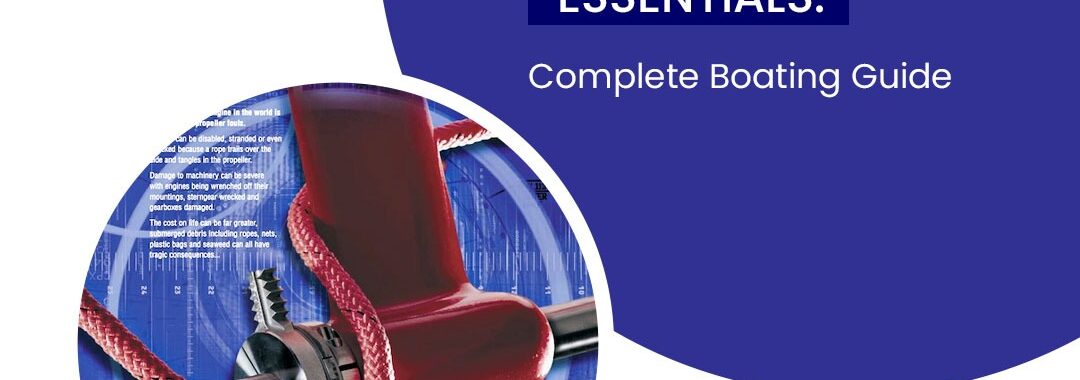
Mediterranean Rope Cutter Essentials: Complete Boating Guide

A rope cutter is an indispensable tool for boat owners, commercial operators, and marine repair businesses operating in the Mediterranean. From our experience, a reliable rope cutter ensures quick, clean, and safe rope management, whether you’re docking, splicing lines, or handling emergency releases. Mediterranean waters, with their high salt content and strong sun, accelerate rope wear and corrosion on metal tools. Using a high-quality, corrosion-resistant rope cutter minimizes rope fraying, enhances safety onboard, and extends the life of your marine lines. Investing in the right cutter is a small step that saves time, reduces risks, and ensures smooth maritime operations.

The Importance of Rope Cutters for Mediterranean Boats

Rope cutters are more than convenience tools—they are safety and maintenance essentials. Boats in Mediterranean harbors often deal with thick synthetic ropes and heavy-duty mooring lines that are difficult to manage with standard knives or shears. A rope cutter provides a precise cut that prevents fraying, tangling, and rope damage, preserving rope integrity over time. In our experience, having rope cutters readily available on deck reduces operational delays and improves crew confidence during both routine handling and emergency situations. Additionally, the use of corrosion-resistant materials ensures the cutter remains reliable even with frequent exposure to saltwater spray and sun.

Selecting the Right Rope Cutter for Your Vessel

Choosing a rope cutter suitable for Mediterranean conditions requires careful attention to material, design, and safety features. Stainless steel or marine-grade coated metals resist corrosion and ensure longevity, even in high-salinity environments. Ergonomic handles reduce hand fatigue, which is crucial for operators who cut ropes repeatedly throughout the day. The cutting mechanism—whether fixed or spring-assisted—should allow controlled, clean cuts without crushing the rope fibers. Safety features, such as blade locks or protective sheaths, prevent accidental injuries. From our experience, investing in a cutter that balances durability, comfort, and precision prevents costly mistakes and improves the overall efficiency of marine operations.

Maintaining Rope Cutters in Marine Environments

Rope cutters require routine care to maintain optimal performance, especially in Mediterranean waters. After exposure to salt spray or seawater, rinsing the cutter with fresh water removes corrosive residues. Lubricating pivot points with marine-grade oils reduces friction and prevents rust. Blades should be inspected regularly for nicks or dullness, as even small imperfections can compromise rope integrity during cutting. When not in use, storing the cutter in a dry, ventilated location prevents moisture buildup and corrosion. We’ve observed that vessels implementing weekly cutter maintenance report fewer rope failures and extended tool lifespan, emphasizing the importance of proactive care.

Safe Rope Cutting Practices on Board

Safety is paramount when handling rope cutters. Improper technique can result in injury or damage to ropes. Always stabilize the rope before cutting to prevent slippage, and use smooth, controlled pressure rather than forceful hacks. Keeping hands clear of the cutting path minimizes the risk of accidents, while using a sheath or clip for storage ensures the cutter is safely secured when not in use. In our experience, crews who follow these practices operate more efficiently, maintain rope integrity, and reduce accidents, demonstrating that a rope cutter is not just a tool but a safety-critical device.

Conclusion

For boat owners, commercial operators, and marine repair businesses in the Mediterranean, choosing a reliable rope cutter is a key component of safety and efficiency. From our firsthand experience, investing in corrosion-resistant, ergonomically designed cutters not only improves rope longevity but also enhances operational confidence.

FAQs

Q: Can rope cutters handle all rope types?
A: Yes, marine-grade cutters can cleanly cut braided, synthetic, and natural fiber ropes without causing fraying or damage.

Q: How often should rope cutters be maintained?
A: We recommend weekly maintenance in Mediterranean conditions due to salt exposure, including rinsing, lubrication, and blade inspection.

Q: Are there specialized cutters for heavy-duty marine ropes?
A: Yes. Heavy-duty rope cutters are designed for thick synthetic lines and offer ergonomic grips for repeated use without fatigue.

Q: Can rope cutters be used during emergencies?
A: Absolutely. They provide faster, safer line release compared to standard knives or shears, which is critical in high-tension or emergency scenarios.

Cutlass Bearing

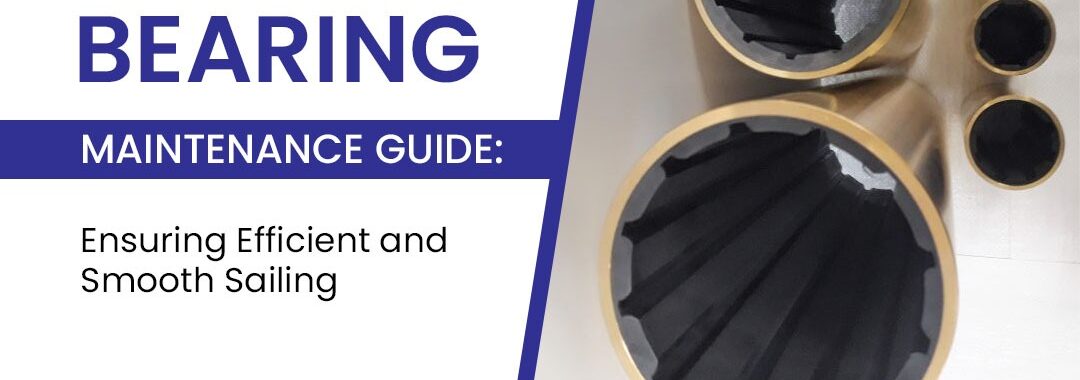
Cutlass Bearing Maintenance Guide: Ensuring Efficient and Smooth Sailing

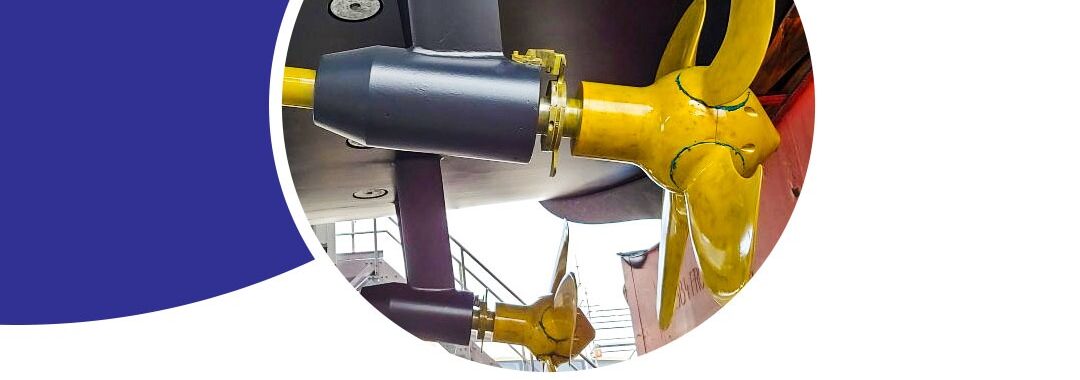
Cutlass bearings are a small but critical component in your boat’s propulsion system. They support the propeller shaft, reduce vibration, and prevent premature wear. At Marine Control SL, we’ve seen how proper maintenance of cutlass bearings can significantly improve shaft longevity, vessel performance, and engine efficiency. Whether you own a small recreational boat or operate a commercial vessel, understanding cutlass bearings and maintaining them correctly ensures smooth, safe, and efficient sailing.

Neglecting these bearings can result in misaligned shafts, increased engine strain, and costly repairs. In our experience, boats with well-maintained cutlass bearings not only run more quietly but also enjoy better fuel efficiency and reduced downtime. This guide will help boat owners, commercial operators, and marine repair professionals understand how to care for cutlass bearings effectively.

What Are Cutlass Bearings and Why They Matter?

Cutlass bearings, also known as sleeve bearings, are designed to support the rotating propeller shaft. They handle both radial and axial loads while keeping the shaft aligned. Traditionally made of bronze, modern bearings often use composite materials that are water-lubricated to reduce maintenance.

At Marine Control SL, we’ve observed that vessels with properly fitted cutlass bearings experience smoother propulsion and less vibration. When a bearing becomes worn or misaligned, vibration increases, engine efficiency drops, and the risk of mechanical damage rises. Proper bearing selection and maintenance are essential for extending shaft life and ensuring reliable operation.

How to Choose the Right Cutlass Bearing?

Selecting the correct cutlass bearing requires attention to several factors: vessel type, shaft size, operating environment, and load requirements. Bronze bearings are durable and corrosion-resistant, while composite bearings offer smoother operation and lower maintenance. Choosing a bearing with a slightly higher load rating than the shaft requires can extend service life and prevent early failure.

Lubrication type also plays a role. Water-lubricated bearings reduce maintenance but require clean water flow, while grease-lubricated bearings allow controlled lubrication but need periodic servicing. Proper sizing and alignment are critical to prevent uneven wear. In our experience, boats fitted with appropriately selected bearings perform better than those with generic replacements.

Installation Tips for Long-Lasting Bearings

Proper installation is vital for cutlass bearing performance. Misalignment, uneven clearance, or an unpolished shaft can lead to increased friction, vibration, and reduced efficiency. At Marine Control SL, we always ensure the shaft is polished and properly aligned before installing new bearings.

Preventive maintenance is just as important. Routine inspections allow you to detect early wear, unusual vibration, or resistance in shaft rotation. Vessels with consistent preventive maintenance rarely experience sudden bearing failure, saving boat owners time and money. Even small checks, such as monitoring water flow or verifying lubrication, can significantly extend bearing life.

Signs Your Cutlass Bearings Need Attention

Recognizing the early warning signs of bearing wear is critical:

  • Excessive vibration during propulsion
  • Noise near the propeller shaft
  • Lateral movement of the shaft
  • Increased resistance while rotating

Ignoring these indicators can lead to shaft misalignment, engine stress, and costly repairs. At Marine Control SL, we’ve prevented major failures by identifying these issues during routine inspections and replacing bearings proactively. Timely maintenance ensures smooth operation and protects your vessel from unexpected breakdowns.

Conclusion

Cutlass bearings are vital to keeping your boat running smoothly, efficiently, and safely. At Marine Control SL, we’ve seen firsthand how proper bearing selection, installation, and maintenance improve vessel performance, reduce vibration, and extend shaft life.

By understanding their role, monitoring wear, and using high-quality bearings, boat owners, commercial operators, and marine repair professionals can enjoy longer-lasting, more reliable propulsion. Investing in cutlass bearing maintenance ensures smoother sailing, fewer mechanical issues, and more efficient operation on every voyage.

FAQs

Q1: Why are cutlass bearings important for my boat?
Cutlass bearings support the propeller shaft, reduce vibration, and prevent excessive wear. Proper maintenance ensures smooth propulsion and prolongs shaft life.

Q2: How often should cutlass bearings be inspected?
Inspect bearings annually or whenever unusual vibration, noise, or shaft movement is noticed. Early detection prevents costly failures.

Q3: What materials are used for cutlass bearings?
Bronze bearings are durable and corrosion-resistant, while composite bearings reduce maintenance and provide smoother operation.

Q4: Can I install cutlass bearings myself?
Small boat owners may install bearings themselves, but professional installation ensures proper alignment and optimal performance.

Q5: How long do cutlass bearings last?
Bronze bearings usually last 3–5 years, while high-quality composite bearings can exceed 7 years with proper maintenance.

Q6: What maintenance steps extend bearing lifespan?
Regular inspections, alignment checks, shaft polishing, and monitoring for vibration or noise are essential.

Anodes for Boats

Anodes for Boats: Custom & ICCP Solutions

When it comes to protecting boats and marine structures from corrosion, anodes are your first line of defense. In our experience working with Spanish boat owners and commercial operators, choosing the right type—whether standard zinc, custom anodes, or ICCP anodes—directly impacts vessel longevity and maintenance costs. Proper installation and ongoing maintenance of anodes prevent costly damage to hulls, propellers, and other underwater fittings. For commercial operators and marine repair businesses, understanding the different types of anodes ensures fleets are maintained safely and efficiently, avoiding downtime and expensive repairs.

What Are Anodes and Why They Matter?

Anodes are sacrificial metals attached to boats or other marine structures that corrode instead of more critical components. This process, known as cathodic protection, slows down corrosion caused by saltwater exposure. We’ve seen vessels in Spain’s coastal waters significantly extend their maintenance cycles when anodes are used and regularly inspected. Anodes function as a protective barrier, with the metal gradually corroding while the more essential parts of the boat remain intact. Choosing the right anode material, understanding water types, and placing them correctly ensures optimal protection, helping boat owners avoid the costly consequences of unchecked corrosion.

Custom Anodes: Tailored Corrosion Protection

While standard anodes work for most boats, every vessel has unique characteristics that may leave some areas underprotected. Custom anodes are specifically designed to match the exact shape, size, and usage patterns of a particular boat. From our experience with Spanish commercial operators, we’ve observed that custom anodes provide even wear across all surfaces, ensuring consistent protection where it’s needed most. They also integrate seamlessly with ICCP systems, improving overall effectiveness. For areas that are difficult to reach, such as rudder posts or complex hull shapes, custom anodes offer a tailored solution that significantly reduces corrosion risk, extending the lifespan of both recreational and commercial vessels.

ICCP Anodes: Advanced Electrochemical Defense

For larger vessels and commercial fleets, ICCP anodes, used in impressed current cathodic protection systems, provide advanced corrosion prevention. Unlike sacrificial anodes that rely on natural corrosion, ICCP systems apply a controlled electrical current to counteract corrosion across all underwater metal surfaces. In our experience, integrating ICCP anodes into a vessel’s protection system dramatically reduces maintenance intervals for hulls, propellers, and shafts. These systems also minimize environmental impact by using fewer metals over time while providing measurable and adjustable protection through monitoring devices. Operators exposed to strong currents or high-salinity waters benefit particularly from ICCP anodes as part of a comprehensive corrosion prevention strategy.

Choosing the Right Anode for Your Boat

Selecting the most suitable anode involves several considerations beyond material choice. Water type plays a crucial role, as saltwater, brackish water, or freshwater each demand different metal compositions for optimal performance. The hull material is another factor, with steel, aluminum, and fiberglass vessels requiring different levels of protection depending on the exposed metals. Usage patterns, including frequency of trips, seasonal storage, and docking conditions, also influence anode performance. Finally, understanding any existing corrosion protection measures, such as partial ICCP systems, allows boat owners to integrate sacrificial or custom anodes effectively. In our experience, conducting a thorough inspection before each season and replacing or repositioning anodes as needed prevents costly corrosion and ensures reliable vessel performance.

Installing and Maintaining Anodes

Proper installation and maintenance of anodes are as critical as selecting the right type. Regular inspections are essential to check for wear, uneven corrosion, or loose fittings. Sacrificial anodes should be replaced once they reach around 50% of their original mass, while ICCP anodes require system monitoring rather than complete replacement, typically every two to three years. Maintaining good electrical contact is crucial, particularly for ICCP systems, to ensure that all surfaces receive adequate protection. Securing anodes properly prevents movement or damage, and routine seasonal checks allow operators to catch any issues before they escalate. In our experience, proactive maintenance saves significant costs and prevents corrosion-related failures.

Conclusion

From our experience in Spain’s diverse marine environments, investing in the right anodes—whether standard, custom, or ICCP—provides critical protection against corrosion. Proper selection, installation, and maintenance of anodes prevent structural damage, reduce downtime, and extend the life of vessels. For boat owners, commercial operators, and marine repair businesses, understanding anodes is a strategic way to safeguard assets against the harsh effects of saltwater exposure.
FAQs
How often should boat anodes be replaced?
Sacrificial anodes generally need replacement when they have lost half of their original mass. ICCP anodes, by contrast, are part of a monitored system and typically require inspection rather than replacement every few years.
Can custom anodes be retrofitted to existing boats?
Yes, we have successfully designed and installed custom anodes on older vessels, improving protection even for boats that were not originally outfitted with specialized corrosion solutions.
Are ICCP systems suitable for small recreational boats?
ICCP is ideal for larger vessels and commercial fleets. Smaller recreational boats often benefit more from high-quality sacrificial or custom anodes due to the simpler setup and lower maintenance requirements.
What’s the difference between zinc and aluminum anodes?
Zinc is highly effective in seawater, while aluminum offers lightweight, efficient protection in warmer waters. Magnesium is preferred for freshwater applications.
How do I know if my anodes are working?
Regular inspections and monitoring ICCP outputs are essential. Even wear patterns and absence of corrosion on protected surfaces indicate that anodes are functioning properly.