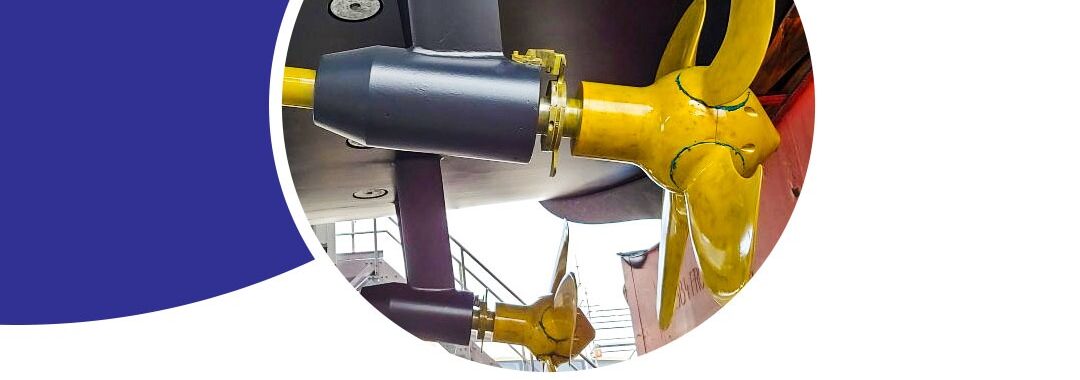
Protect Your Boat from Corrosion
Anodes protect boats and marine structures from corrosion. They provide the first line of defense against saltwater damage. We have worked with Spanish boat owners and commercial operators for years. Our experience shows that the right anodes extend vessel life and lower maintenance costs. Regular inspections also protect hulls, propellers, shafts, and underwater fittings. Boat owners who maintain their anodes avoid expensive repairs and unexpected downtime.
What Are Anodes?
Anodes are sacrificial metals that protect underwater metal parts from corrosion. They corrode first and prevent damage to valuable boat components. This process is called cathodic protection.
We have seen boats in Spain’s coastal waters stay in excellent condition because owners inspected and replaced anodes on time. Selecting the correct material and installing it properly delivers reliable protection throughout the year.
Custom Anodes for Better Protection
Standard anodes work well for many boats, but every vessel has unique requirements. Custom anodes match the exact size, shape, and operating conditions of your boat. They deliver more even protection across underwater surfaces.
We have helped commercial operators improve corrosion protection with custom anodes. They protect difficult areas such as rudder posts, shafts, and complex hull designs. They also work efficiently with ICCP systems to strengthen overall corrosion control.
ICCP Anodes for Commercial Vessels
ICCP anodes protect larger vessels through impressed current cathodic protection systems. These systems use a controlled electrical current instead of relying on sacrificial corrosion.
Our experience shows that ICCP systems reduce maintenance for hulls, propellers, and shafts. Operators can monitor the system and adjust protection whenever necessary. ICCP systems also reduce metal consumption and perform well in high-salinity environments.
Choosing the Right Anode
Choose your anode based on several important factors.
- Select the correct material for seawater, freshwater, or brackish water.
- Consider your hull material before choosing an anode.
- Think about how often you use your boat.
- Check whether your vessel already has an ICCP system.
We recommend inspecting your boat before every season. Replace worn anodes promptly and reposition them if required. Regular inspections keep your vessel protected throughout the year.
Installing and Maintaining Anodes
Correct installation improves anode performance. Inspect every anode regularly for wear, loose fittings, and uneven corrosion.
Replace sacrificial anodes after they lose about 50% of their original size. Monitor ICCP systems frequently and inspect their components every two to three years. Keep strong electrical contact between the anodes and the protected surfaces. Secure every anode firmly to prevent movement. Routine maintenance reduces repair costs and extends vessel life.
Conclusion
The right anodes protect your boat from corrosion and reduce long-term maintenance costs. Standard, custom, and ICCP anodes all provide valuable protection when used correctly. Choose the best solution for your vessel, inspect it regularly, and replace worn components on time. These simple steps help keep your boat safe, reliable, and ready for every journey.
FAQs
How often should boat anodes be replaced?
Replace sacrificial anodes after they lose about half of their original mass. Inspect ICCP systems regularly and service them according to the manufacturer’s recommendations.
Can custom anodes fit older boats?
Yes. We regularly install custom anodes on older boats. They improve corrosion protection without requiring major modifications.
Are ICCP systems suitable for small recreational boats?
ICCP systems work best on large commercial vessels. Most recreational boats receive excellent protection from high-quality sacrificial or custom anodes.
What is the difference between zinc and aluminum anodes?
Zinc performs well in seawater. Aluminum offers lightweight protection and works efficiently in many saltwater conditions. Magnesium remains the preferred choice for freshwater.
How can I tell if my anodes are working?
Inspect your anodes regularly. Even wear and corrosion-free metal surfaces indicate that the protection system is working correctly.