ICCP Anodes or Impressed Current Cathodic Protection Anodes
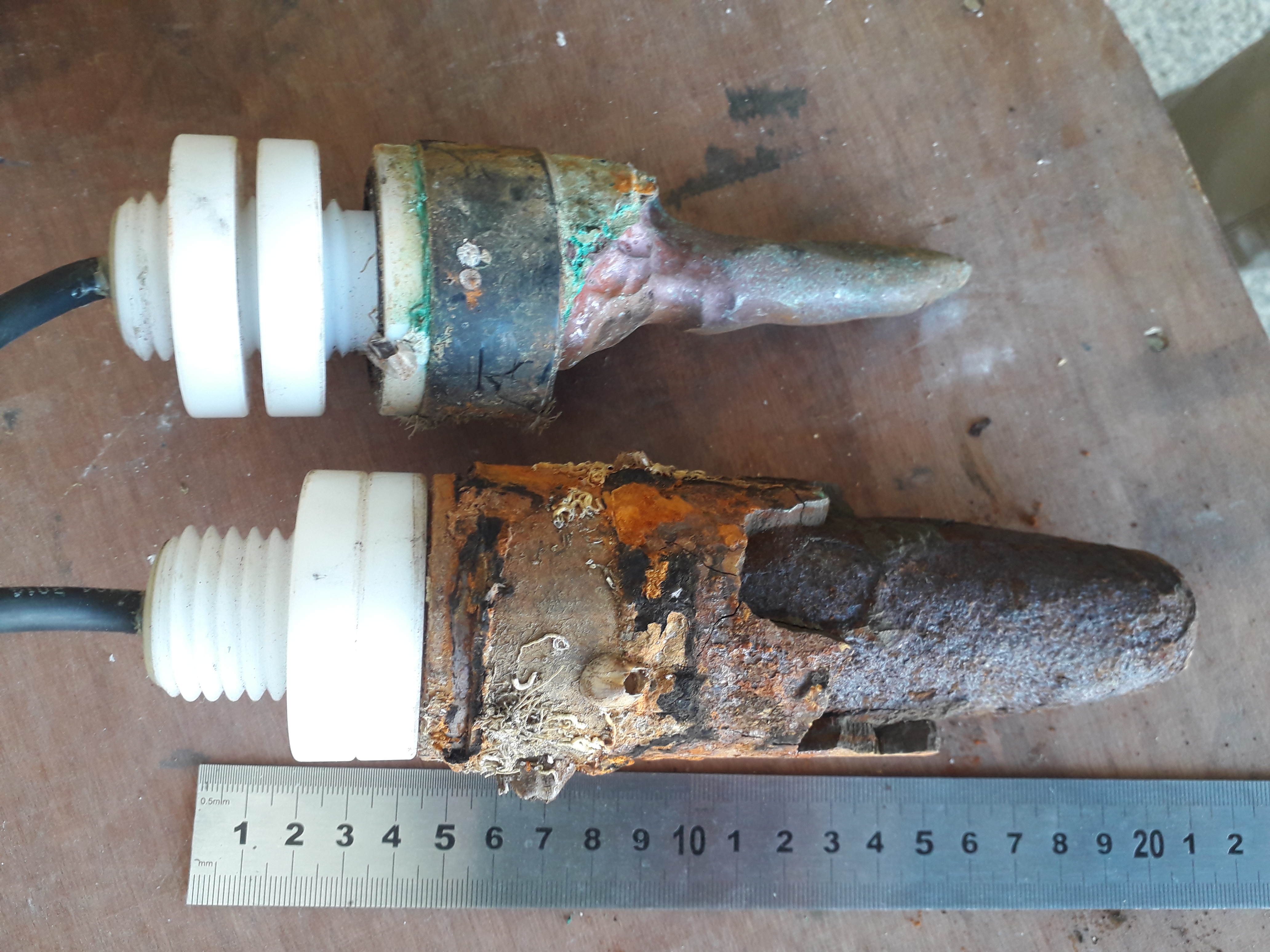
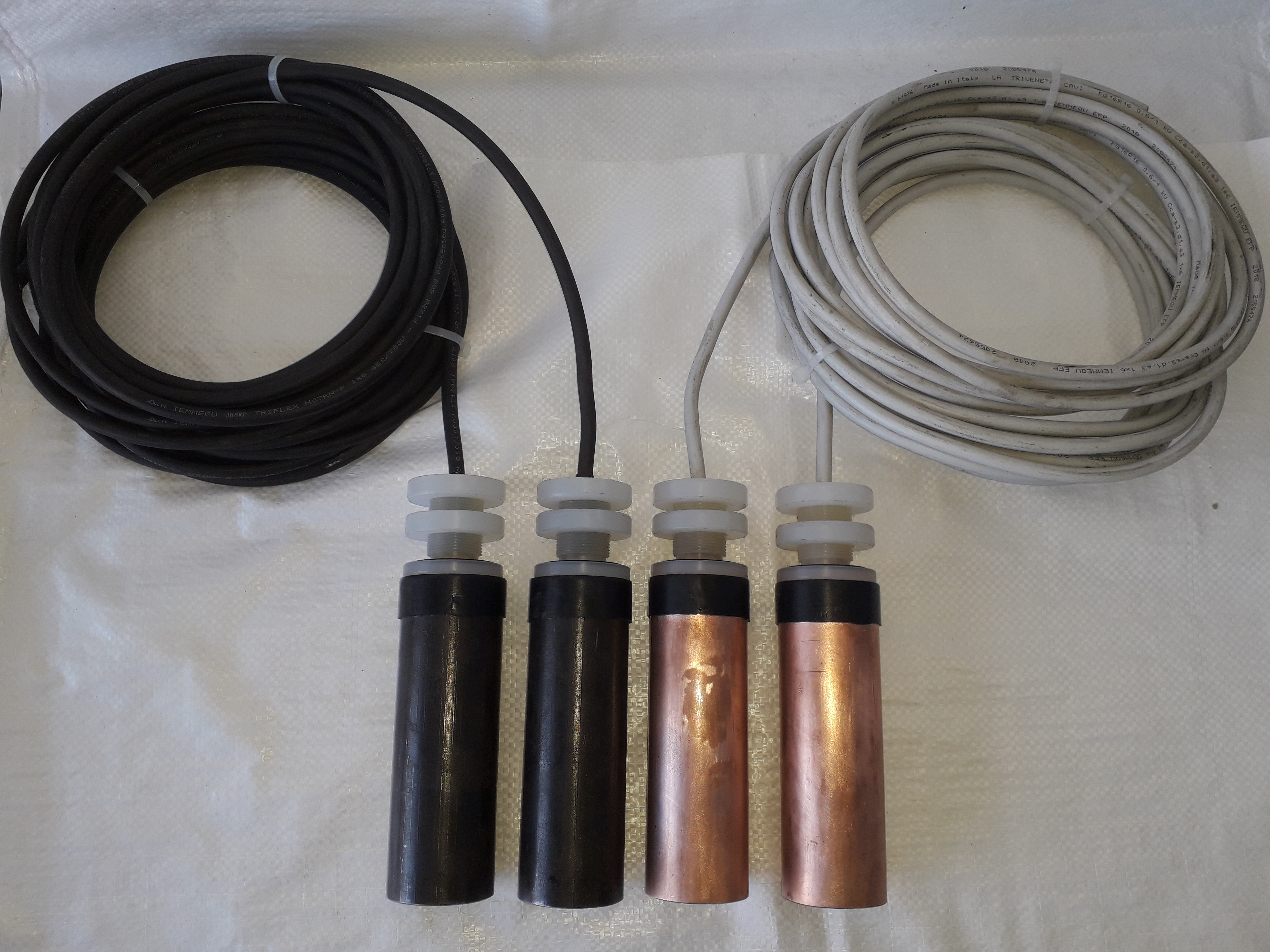
How ICCP Anodes Work
Using hull-mounted anodes and reference cells connected to control panels, the system generates an external current. This current suppresses natural electrochemical activity on the wetted surface of the hull.
The system prevents aggressive corrosion cells from forming on the plate surface. It also reduces corrosion risks caused by dissimilar metals. These issues can occur during welding or when components such as propellers come close to each other.
ICCP systems automatically adjust the current output while varying the voltage level. This process helps maintain the required protection level when seawater resistivity changes.
In sacrificial anode systems, increased seawater resistivity can reduce anode performance. This reduction lowers the level of protection. However, ICCP systems maintain consistent protection within standard seawater conditions.
ICCP systems continuously monitor the electrical potential between the seawater and hull surface. They adjust the anode output based on real-time conditions. This feature makes ICCP systems more effective and reliable than sacrificial anode systems, where protection levels remain difficult to control.
Installing an ICCP system helps operators reduce hull maintenance costs. It also improves fuel efficiency by maintaining a smoother hull surface. Additionally, the system protects the owner’s investment and improves safety by supporting stronger hull integrity.
For more information, please refer to Wikipedia.