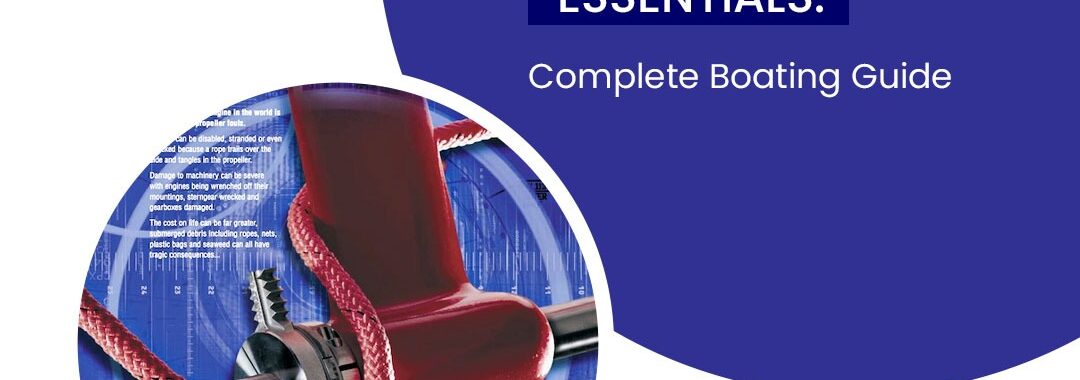
A rope cutter is an indispensable tool for boat owners, commercial operators, and marine repair businesses operating in the Mediterranean. From our experience, a reliable rope cutter ensures quick, clean, and safe rope management, whether you’re docking, splicing lines, or handling emergency releases. Mediterranean waters, with their high salt content and strong sun, accelerate rope wear and corrosion on metal tools. Using a high-quality, corrosion-resistant rope cutter minimizes rope fraying, enhances safety onboard, and extends the life of your marine lines. Investing in the right cutter is a small step that saves time, reduces risks, and ensures smooth maritime operations.
The Importance of Rope Cutters for Mediterranean Boats
Rope cutters are more than convenience tools—they are safety and maintenance essentials. Boats in Mediterranean harbors often deal with thick synthetic ropes and heavy-duty mooring lines that are difficult to manage with standard knives or shears. A rope cutter provides a precise cut that prevents fraying, tangling, and rope damage, preserving rope integrity over time. In our experience, having rope cutters readily available on deck reduces operational delays and improves crew confidence during both routine handling and emergency situations. Additionally, the use of corrosion-resistant materials ensures the cutter remains reliable even with frequent exposure to saltwater spray and sun.
Selecting the Right Rope Cutter for Your Vessel
Choosing a rope cutter suitable for Mediterranean conditions requires careful attention to material, design, and safety features. Stainless steel or marine-grade coated metals resist corrosion and ensure longevity, even in high-salinity environments. Ergonomic handles reduce hand fatigue, which is crucial for operators who cut ropes repeatedly throughout the day. The cutting mechanism—whether fixed or spring-assisted—should allow controlled, clean cuts without crushing the rope fibers. Safety features, such as blade locks or protective sheaths, prevent accidental injuries. From our experience, investing in a cutter that balances durability, comfort, and precision prevents costly mistakes and improves the overall efficiency of marine operations.
Maintaining Rope Cutters in Marine Environments
Rope cutters require routine care to maintain optimal performance, especially in Mediterranean waters. After exposure to salt spray or seawater, rinsing the cutter with fresh water removes corrosive residues. Lubricating pivot points with marine-grade oils reduces friction and prevents rust. Blades should be inspected regularly for nicks or dullness, as even small imperfections can compromise rope integrity during cutting. When not in use, storing the cutter in a dry, ventilated location prevents moisture buildup and corrosion. We’ve observed that vessels implementing weekly cutter maintenance report fewer rope failures and extended tool lifespan, emphasizing the importance of proactive care.
Safe Rope Cutting Practices on Board
Safety is paramount when handling rope cutters. Improper technique can result in injury or damage to ropes. Always stabilize the rope before cutting to prevent slippage, and use smooth, controlled pressure rather than forceful hacks. Keeping hands clear of the cutting path minimizes the risk of accidents, while using a sheath or clip for storage ensures the cutter is safely secured when not in use. In our experience, crews who follow these practices operate more efficiently, maintain rope integrity, and reduce accidents, demonstrating that a rope cutter is not just a tool but a safety-critical device.
Conclusion
For boat owners, commercial operators, and marine repair businesses in the Mediterranean, choosing a reliable rope cutter is a key component of safety and efficiency. From our firsthand experience, investing in corrosion-resistant, ergonomically designed cutters not only improves rope longevity but also enhances operational confidence.
FAQs
Q: Can rope cutters handle all rope types?
A: Yes, marine-grade cutters can cleanly cut braided, synthetic, and natural fiber ropes without causing fraying or damage.
Q: How often should rope cutters be maintained?
A: We recommend weekly maintenance in Mediterranean conditions due to salt exposure, including rinsing, lubrication, and blade inspection.
Q: Are there specialized cutters for heavy-duty marine ropes?
A: Yes. Heavy-duty rope cutters are designed for thick synthetic lines and offer ergonomic grips for repeated use without fatigue.
Q: Can rope cutters be used during emergencies?
A: Absolutely. They provide faster, safer line release compared to standard knives or shears, which is critical in high-tension or emergency scenarios.