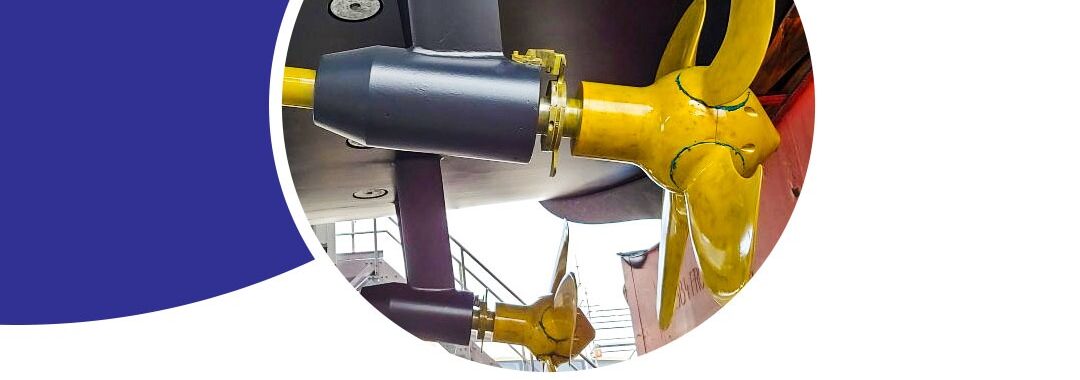
When it comes to protecting boats and marine structures from corrosion, anodes are your first line of defense. In our experience working with Spanish boat owners and commercial operators, choosing the right type—whether standard zinc, custom anodes, or ICCP anodes—directly impacts vessel longevity and maintenance costs. Proper installation and ongoing maintenance of anodes prevent costly damage to hulls, propellers, and other underwater fittings. For commercial operators and marine repair businesses, understanding the different types of anodes ensures fleets are maintained safely and efficiently, avoiding downtime and expensive repairs.
What Are Anodes and Why They Matter?
Anodes are sacrificial metals attached to boats or other marine structures that corrode instead of more critical components. This process, known as cathodic protection, slows down corrosion caused by saltwater exposure. We’ve seen vessels in Spain’s coastal waters significantly extend their maintenance cycles when anodes are used and regularly inspected. Anodes function as a protective barrier, with the metal gradually corroding while the more essential parts of the boat remain intact. Choosing the right anode material, understanding water types, and placing them correctly ensures optimal protection, helping boat owners avoid the costly consequences of unchecked corrosion.
Custom Anodes: Tailored Corrosion Protection
While standard anodes work for most boats, every vessel has unique characteristics that may leave some areas underprotected. Custom anodes are specifically designed to match the exact shape, size, and usage patterns of a particular boat. From our experience with Spanish commercial operators, we’ve observed that custom anodes provide even wear across all surfaces, ensuring consistent protection where it’s needed most. They also integrate seamlessly with ICCP systems, improving overall effectiveness. For areas that are difficult to reach, such as rudder posts or complex hull shapes, custom anodes offer a tailored solution that significantly reduces corrosion risk, extending the lifespan of both recreational and commercial vessels.
ICCP Anodes: Advanced Electrochemical Defense
For larger vessels and commercial fleets, ICCP anodes, used in impressed current cathodic protection systems, provide advanced corrosion prevention. Unlike sacrificial anodes that rely on natural corrosion, ICCP systems apply a controlled electrical current to counteract corrosion across all underwater metal surfaces. In our experience, integrating ICCP anodes into a vessel’s protection system dramatically reduces maintenance intervals for hulls, propellers, and shafts. These systems also minimize environmental impact by using fewer metals over time while providing measurable and adjustable protection through monitoring devices. Operators exposed to strong currents or high-salinity waters benefit particularly from ICCP anodes as part of a comprehensive corrosion prevention strategy.
Choosing the Right Anode for Your Boat
Selecting the most suitable anode involves several considerations beyond material choice. Water type plays a crucial role, as saltwater, brackish water, or freshwater each demand different metal compositions for optimal performance. The hull material is another factor, with steel, aluminum, and fiberglass vessels requiring different levels of protection depending on the exposed metals. Usage patterns, including frequency of trips, seasonal storage, and docking conditions, also influence anode performance. Finally, understanding any existing corrosion protection measures, such as partial ICCP systems, allows boat owners to integrate sacrificial or custom anodes effectively. In our experience, conducting a thorough inspection before each season and replacing or repositioning anodes as needed prevents costly corrosion and ensures reliable vessel performance.
Installing and Maintaining Anodes
Proper installation and maintenance of anodes are as critical as selecting the right type. Regular inspections are essential to check for wear, uneven corrosion, or loose fittings. Sacrificial anodes should be replaced once they reach around 50% of their original mass, while ICCP anodes require system monitoring rather than complete replacement, typically every two to three years. Maintaining good electrical contact is crucial, particularly for ICCP systems, to ensure that all surfaces receive adequate protection. Securing anodes properly prevents movement or damage, and routine seasonal checks allow operators to catch any issues before they escalate. In our experience, proactive maintenance saves significant costs and prevents corrosion-related failures.
Conclusion
From our experience in Spain’s diverse marine environments, investing in the right anodes—whether standard, custom, or ICCP—provides critical protection against corrosion. Proper selection, installation, and maintenance of anodes prevent structural damage, reduce downtime, and extend the life of vessels. For boat owners, commercial operators, and marine repair businesses, understanding anodes is a strategic way to safeguard assets against the harsh effects of saltwater exposure.
FAQs
How often should boat anodes be replaced?
Sacrificial anodes generally need replacement when they have lost half of their original mass. ICCP anodes, by contrast, are part of a monitored system and typically require inspection rather than replacement every few years.
Can custom anodes be retrofitted to existing boats?
Yes, we have successfully designed and installed custom anodes on older vessels, improving protection even for boats that were not originally outfitted with specialized corrosion solutions.
Are ICCP systems suitable for small recreational boats?
ICCP is ideal for larger vessels and commercial fleets. Smaller recreational boats often benefit more from high-quality sacrificial or custom anodes due to the simpler setup and lower maintenance requirements.
What’s the difference between zinc and aluminum anodes?
Zinc is highly effective in seawater, while aluminum offers lightweight, efficient protection in warmer waters. Magnesium is preferred for freshwater applications.
How do I know if my anodes are working?
Regular inspections and monitoring ICCP outputs are essential. Even wear patterns and absence of corrosion on protected surfaces indicate that anodes are functioning properly.