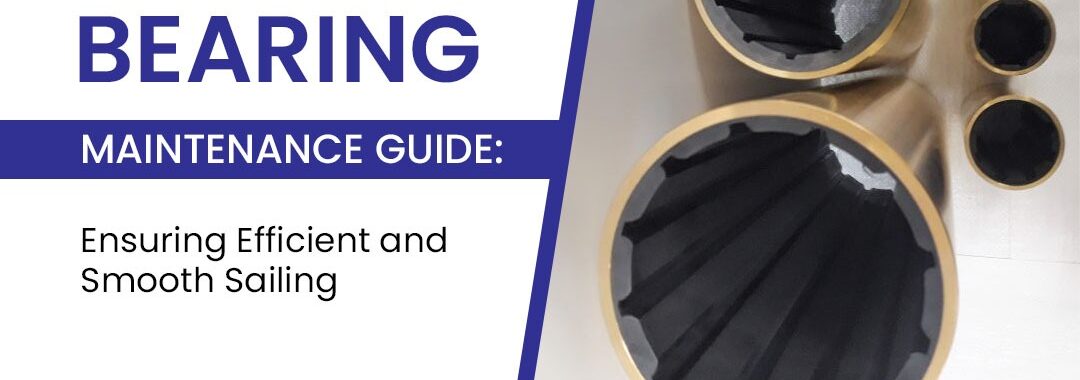
Cutlass bearings are a small but critical component in your boat’s propulsion system. They support the propeller shaft, reduce vibration, and prevent premature wear. At Marine Control SL, we’ve seen how proper maintenance of cutlass bearings can significantly improve shaft longevity, vessel performance, and engine efficiency. Whether you own a small recreational boat or operate a commercial vessel, understanding cutlass bearings and maintaining them correctly ensures smooth, safe, and efficient sailing.
Neglecting these bearings can result in misaligned shafts, increased engine strain, and costly repairs. In our experience, boats with well-maintained cutlass bearings not only run more quietly but also enjoy better fuel efficiency and reduced downtime. This guide will help boat owners, commercial operators, and marine repair professionals understand how to care for cutlass bearings effectively.
What Are Cutlass Bearings and Why They Matter?
Cutlass bearings, also known as sleeve bearings, are designed to support the rotating propeller shaft. They handle both radial and axial loads while keeping the shaft aligned. Traditionally made of bronze, modern bearings often use composite materials that are water-lubricated to reduce maintenance.
At Marine Control SL, we’ve observed that vessels with properly fitted cutlass bearings experience smoother propulsion and less vibration. When a bearing becomes worn or misaligned, vibration increases, engine efficiency drops, and the risk of mechanical damage rises. Proper bearing selection and maintenance are essential for extending shaft life and ensuring reliable operation.
How to Choose the Right Cutlass Bearing?
Selecting the correct cutlass bearing requires attention to several factors: vessel type, shaft size, operating environment, and load requirements. Bronze bearings are durable and corrosion-resistant, while composite bearings offer smoother operation and lower maintenance. Choosing a bearing with a slightly higher load rating than the shaft requires can extend service life and prevent early failure.
Lubrication type also plays a role. Water-lubricated bearings reduce maintenance but require clean water flow, while grease-lubricated bearings allow controlled lubrication but need periodic servicing. Proper sizing and alignment are critical to prevent uneven wear. In our experience, boats fitted with appropriately selected bearings perform better than those with generic replacements.
Installation Tips for Long-Lasting Bearings
Proper installation is vital for cutlass bearing performance. Misalignment, uneven clearance, or an unpolished shaft can lead to increased friction, vibration, and reduced efficiency. At Marine Control SL, we always ensure the shaft is polished and properly aligned before installing new bearings.
Preventive maintenance is just as important. Routine inspections allow you to detect early wear, unusual vibration, or resistance in shaft rotation. Vessels with consistent preventive maintenance rarely experience sudden bearing failure, saving boat owners time and money. Even small checks, such as monitoring water flow or verifying lubrication, can significantly extend bearing life.
Signs Your Cutlass Bearings Need Attention
Recognizing the early warning signs of bearing wear is critical:
- Excessive vibration during propulsion
- Noise near the propeller shaft
- Lateral movement of the shaft
- Increased resistance while rotating
Ignoring these indicators can lead to shaft misalignment, engine stress, and costly repairs. At Marine Control SL, we’ve prevented major failures by identifying these issues during routine inspections and replacing bearings proactively. Timely maintenance ensures smooth operation and protects your vessel from unexpected breakdowns.
Conclusion
Cutlass bearings are vital to keeping your boat running smoothly, efficiently, and safely. At Marine Control SL, we’ve seen firsthand how proper bearing selection, installation, and maintenance improve vessel performance, reduce vibration, and extend shaft life.
By understanding their role, monitoring wear, and using high-quality bearings, boat owners, commercial operators, and marine repair professionals can enjoy longer-lasting, more reliable propulsion. Investing in cutlass bearing maintenance ensures smoother sailing, fewer mechanical issues, and more efficient operation on every voyage.
FAQs
Q1: Why are cutlass bearings important for my boat?
Cutlass bearings support the propeller shaft, reduce vibration, and prevent excessive wear. Proper maintenance ensures smooth propulsion and prolongs shaft life.
Q2: How often should cutlass bearings be inspected?
Inspect bearings annually or whenever unusual vibration, noise, or shaft movement is noticed. Early detection prevents costly failures.
Q3: What materials are used for cutlass bearings?
Bronze bearings are durable and corrosion-resistant, while composite bearings reduce maintenance and provide smoother operation.
Q4: Can I install cutlass bearings myself?
Small boat owners may install bearings themselves, but professional installation ensures proper alignment and optimal performance.
Q5: How long do cutlass bearings last?
Bronze bearings usually last 3–5 years, while high-quality composite bearings can exceed 7 years with proper maintenance.
Q6: What maintenance steps extend bearing lifespan?
Regular inspections, alignment checks, shaft polishing, and monitoring for vibration or noise are essential.