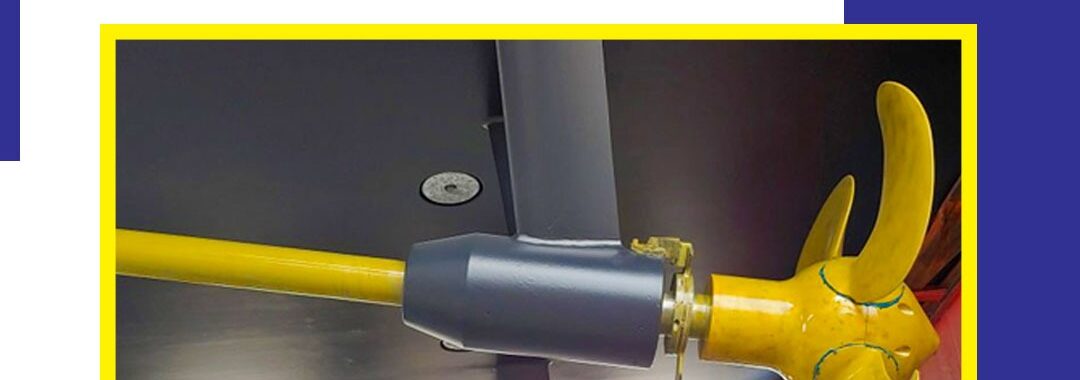
Marine anodes play an important role in protecting your boat’s underwater metal parts from corrosion. Propellers, shafts, rudders, trim tabs, and other metal components can slowly deteriorate when exposed to seawater. Choosing the correct marine anode helps provide protection and can reduce the need for expensive repairs.
Whether you own a leisure boat, yacht, fishing vessel, or commercial marine craft, it is important to select anodes according to the boat’s material, water type, and underwater equipment. This guide explains the key points to consider when choosing the right marine anodes.
1. Consider the Type of Water
The water where your boat operates is one of the most important factors when selecting an anode.
- Saltwater: Zinc or aluminium anodes are commonly used for marine applications.
- Brackish water: Aluminium anodes can be a suitable option because they can work across different water conditions.
- Freshwater: Magnesium anodes are often used because they provide effective protection in low-salinity water.
Using the wrong anode material can reduce corrosion protection, so always consider your boat’s normal operating environment.
2. Check Your Boat’s Metal Components
Different underwater components may require different types of anodes. Propeller shafts, propellers, rudders, outboard motors, and other metal parts can have different requirements.
Before purchasing a marine anode, check the manufacturer’s specifications for your equipment. The correct anode should be compatible with the metal components it is designed to protect.
3. Choose the Correct Anode Size and Shape
Marine anodes are available in different sizes, shapes, and mounting styles. The anode needs to have enough surface area to provide suitable protection for the underwater metal parts.
Common options include shaft anodes, bolt-on anodes, hull anodes, and anodes designed for specific propulsion systems. Make sure the mounting holes, dimensions, and shape match your existing installation.
4. Look for Quality Marine Anodes
Quality is important because anodes are designed to gradually wear away while protecting other metal components. A properly manufactured anode should have consistent material quality and suitable construction.
When buying from a marine anode supplier in Europe, check the product specifications, material type, dimensions, and compatibility before ordering. Working with an experienced supplier can also make it easier to identify the right product for your vessel.
5. Inspect Existing Anodes Regularly
Choosing the right anode is only part of corrosion protection. Existing anodes should be inspected regularly, especially before and after periods of heavy use.
If an anode has worn significantly, it may need to be replaced. Avoid painting over the working surface of an anode because this can prevent it from performing correctly. Also check that the anode has a clean electrical connection with the metal component it protects.
Key Points to Remember
- Select the anode according to the type of water.
- Check the material of the underwater components.
- Use the correct size and mounting style.
- Buy marine anodes from a reliable supplier.
- Inspect anodes regularly for signs of wear.
- Replace anodes when they are significantly worn.
- Follow the boat or equipment manufacturer’s recommendations.
Marine Anodes from Marine Control
Choosing the correct marine anode can help protect important underwater components and support the long-term condition of your boat. Marine Control provides marine products designed for different boating and corrosion protection requirements.
Before selecting an anode, consider your boat type, operating water, underwater equipment, and the manufacturer’s specifications. Taking these points into account can help you choose an appropriate marine anode and maintain effective corrosion protection.
FAQs
1. What is a marine anode?
A marine anode is a corrosion protection component that is designed to wear away instead of more valuable underwater metal components. It helps protect parts such as propellers, shafts, rudders, and other metal fittings.
2. Which marine anode is suitable for saltwater?
Zinc and aluminium anodes are commonly used in saltwater applications. The appropriate choice depends on the boat, underwater metals, and equipment manufacturer’s recommendations.
3. How often should marine anodes be replaced?
Replacement depends on the anode’s wear rate, boat usage, water conditions, and electrical environment. Regular inspection is recommended, and anodes should be replaced when they have become significantly worn.